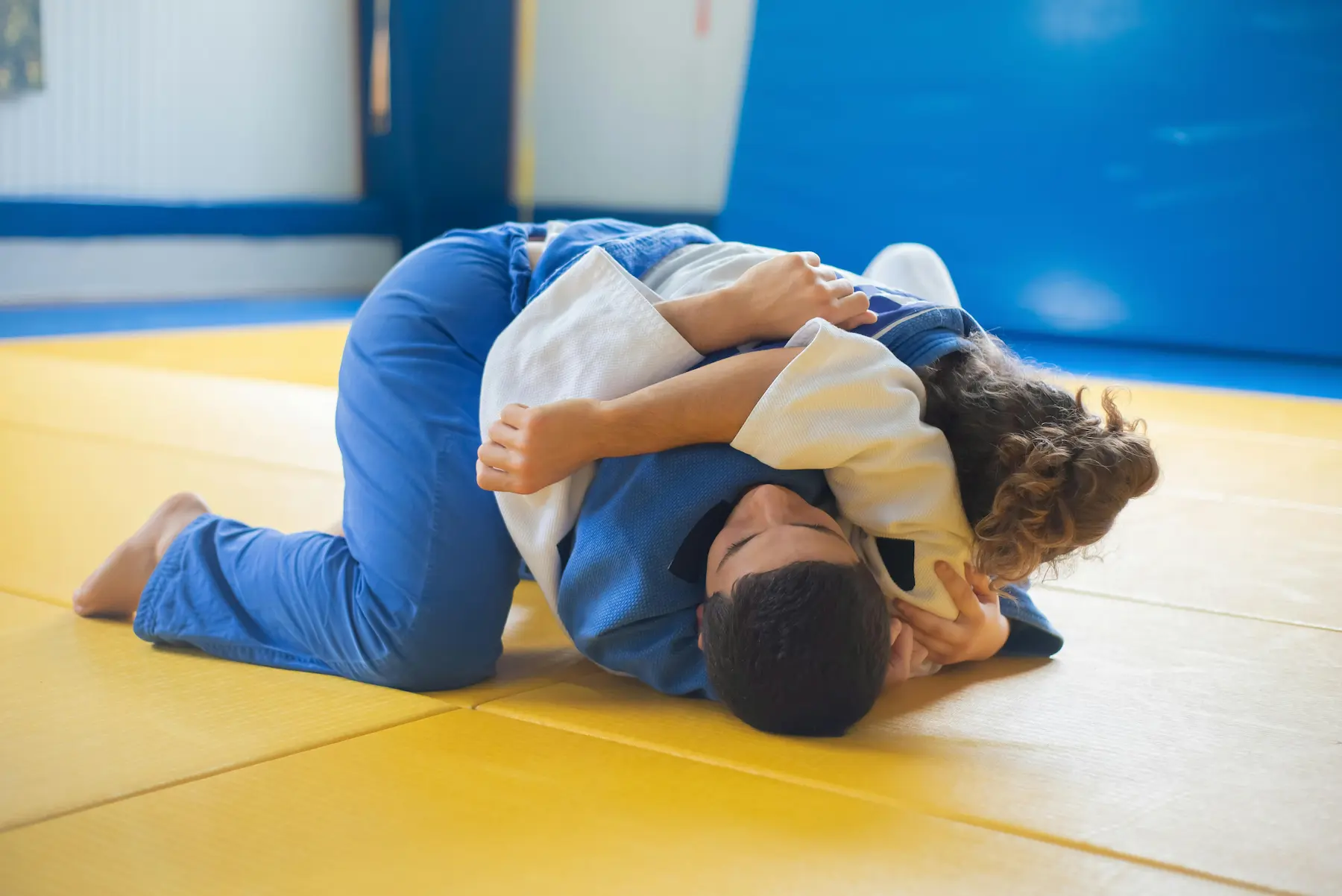

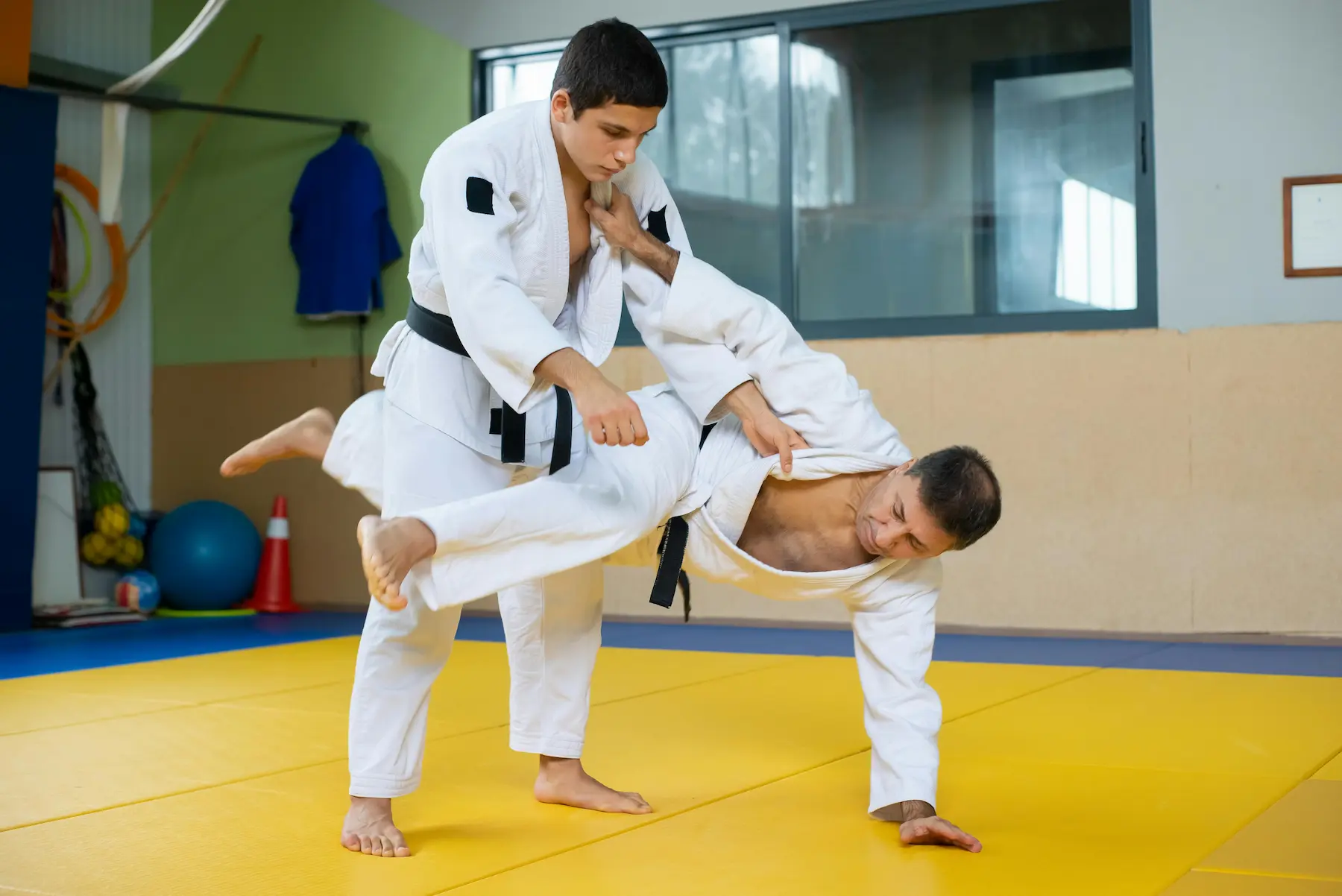
I’ve watched too many enthusiastic beginners get hurt in their first month because they joined a club that treated ukemi as an afterthought. Here’s the truth: a good Judo club will bore you for the first few weeks. You’ll slap mats until your palms are red, and you’ll wonder when the ‘real’ training starts. That boredom is the green flag.
The clubs that let you jump straight into throws and sparring aren’t respecting your body—they’re just filling class time.
Take the trial class, sit on the side, and watch how the black belts treat the newest white belt in the room. That interaction tells you everything about whether this is a place that builds judoka or just collects monthly fees.
Quick Answer
When choosing a Judo club, prioritize safety and proper instruction above all else. A legitimate dojo will focus almost exclusively on ukemi (breakfalls) for your first 2-4 weeks before any sparring—if they skip this, leave immediately. Verify the club is affiliated with a recognized National Governing Body: in the US, look for USA Judo, USJF, or USJA charters, which require instructors to be SafeSport certified and background-checked. Expect $80-$150/month with month-to-month payments; avoid long-term contracts (12+ months), which signal predatory practices. Visit first and watch how black belts treat beginners—they should guide, not smash them.
Safety Standards and the Ukemi Test
The single most important indicator of a legitimate Judo club is how they handle your first few weeks of training. A proper dojo will focus almost exclusively on *ukemi*—the art of breakfalls—for your first 2-4 weeks before introducing any throwing techniques. *Ukemi* refers to the controlled falling techniques that protect you from injury when being thrown. You’ll spend considerable time learning to slap the mat correctly, roll safely, and absorb impact. This might feel tedious, but it’s non-negotiable for your safety. If a club lets you spar (*randori*) on your first day or throws beginners in with experienced black belts immediately, leave. This is the most consistent red flag identified in recent practitioner discussions. Judo throws are high-impact—unlike ground-based grappling arts, you’re being launched through the air and landing on a mat. Without proper falling skills, serious injuries are common.
Understanding Club Governance and Affiliation
In the United States, three organizations govern Judo: USA Judo (the Olympic pathway organization), USJF (United States Judo Federation), and USJA (United States Judo Association). These are collectively known as the “Big 3,” and a legitimate club should be chartered by at least one of them. A significant development in late 2025 has restored cooperation between these organizations after a period of separation. Previously, insurance and competition access didn’t transfer between organizations—a USJF member couldn’t compete in USA Judo tournaments easily. As of 2026, reciprocal membership benefits are returning, meaning your single membership may grant access to tournaments across all three organizations. For UK practitioners, look for British Judo Association (BJA) affiliation and their “Three Step Safe” certification, which verifies approved coaching credentials, recognized rank, and safe training environment. Canadian clubs should have NCCP-certified instructors at the Dojo Instructor level, which includes SafeSport training and background checks. These affiliations ensure your belt rank is recognized internationally and that the club carries proper insurance.
Evaluating Cost, Contracts, and Hidden Fees
Judo typically costs less than comparable martial arts like Brazilian Jiu-Jitsu. In the US and Canada, expect monthly fees between $80-$150. UK and European clubs often operate on pay-per-class models (£5-£10 per session) or lower monthly fees due to non-profit structures common in traditional Judo organizations. However, ask about additional costs before signing up. Annual federation membership fees are usually required for insurance coverage and official rank registration—these typically run $50-$100 per year. Grading fees (the cost to test for your next belt) vary by organization but are usually modest. Be wary of long-term contracts. Legitimate Judo clubs almost always operate month-to-month or on a term basis (3-month sessions, for example). If a club pushes 12-24 month binding contracts or uses high-pressure sales tactics, this signals a “McDojo” more interested in revenue than instruction. Similarly, “Guaranteed Black Belt” programs are a major red flag—rank in Judo is earned through demonstrated skill and competition, not purchased through a payment plan.
The Culture Check: Red Flags and Green Flags
Beyond paperwork and pricing, the training culture determines whether you’ll progress safely and enjoyably. During your trial class, watch how higher-ranked students interact with beginners. Green flags include: black belts actively helping white belts learn techniques; a relaxed atmosphere with laughter before and after class; instructors who demonstrate on the mat rather than sitting on the sidelines; and *randori* where experienced practitioners “play down” to a beginner’s level rather than dominating them. Red flags to watch for: “Cobra Kai” atmospheres where beginners are bullied or hazed; pressure to immediately purchase expensive branded gear; instructors claiming techniques are “too deadly” to practice (a classic charlatan marker); dirty facilities; and sparring where size mismatches aren’t managed or beginners face full resistance from experts. Also consider whether the club separates recreational and competitive tracks. Adult hobbyists have different needs than Olympic hopefuls. The best clubs acknowledge this distinction and offer appropriate programming for both groups.
Your First Month: What Legitimate Training Looks Like
If you’ve chosen well, your first month will follow a predictable pattern designed to build fundamental skills safely. Weeks 1-2 will be almost entirely *ukemi* practice. You’ll slap the mat repeatedly until your hands sting, learning forward rolls, backward rolls, and side breakfalls. You might learn one basic pin (hold-down technique), but standing throws won’t be the focus yet. Weeks 3-4 introduce *kuzushi*—the concept of off-balancing your opponent, which is the foundation of all Judo throws. You may learn your first basic throw (commonly *Osoto-gari*, a major outer reap) practiced on crash pads or with fully cooperative partners. Regarding sparring, expect to watch from the sidelines initially. Your first live training will likely be *Newaza* (ground sparring) starting from your knees, which eliminates the injury risk of standing throws. If you have a Brazilian Jiu-Jitsu background, don’t assume you can skip the falling practice—habits like pulling guard can result in serious injury when someone throws you at full speed in Judo.
Finding and Vetting Your Club
Start with a simple Google Maps search for “Judo club near me.” Check each club’s website for logos indicating National Governing Body affiliation—USA Judo, USJF, or USJA in the United States; BJA in the UK; Judo Australia or Judo Canada in those countries. Before participating, visit to observe a class. Watch specifically how black belts treat white belts during sparring. If experienced practitioners are effortlessly smashing beginners with painful throws, look elsewhere. If they’re guiding them, offering tips, and adjusting their intensity to help beginners learn, you’ve likely found a good club. Prioritize consistency over prestige. A world-class dojo 45 minutes away is worthless if traffic makes you skip sessions. Choose the club you can attend on your worst day—look for at least 2-3 adult classes per week, and ideally a dedicated “Adult Beginner” or “Fundamentals” class so you’re not the only adult training with teenagers.
Example Scenario
Kevin, age 34, software engineer seeking a new fitness hobby, visits a local Judo club for a trial class where the instructor immediately pairs him with a brown belt for full standing sparring despite having zero experience, no breakfall instruction is provided, and he notices the facility requires a 24-month contract with guaranteed black belt progression. The club displays no USA Judo, USJF, or USJA affiliation logos, the instructor remains seated checking their phone during practice, and when Kevin asks about safety protocols the response is dismissive. These multiple red flags—immediate randori without ukemi training, long-term binding contracts, lack of national governing body affiliation, and disengaged instruction—indicate Kevin should decline membership and continue searching for a legitimate dojo that prioritizes proper beginner progression and safety standards.
Tables
Judo Club Safety & Instruction Standards by Country (2024–2026 National Governing Body Requirements)
| Country | Governing Body | Instructor Certification Requirements | Key Safety Markers |
|---|---|---|---|
| United States | USA Judo, USJF, USJA (“Big 3”) | SafeSport certified; NCSI background check; Valid rank from USA Judo, USJF, or USJA | 2–4 weeks ukemi (breakfall) training for beginners; No immediate randori for white belts |
| United Kingdom | British Judo Association (BJA) or British Judo Council (BJC) | “Three Step Safe” mark: Approved Coach, Recognized Grade, Safe Environment | BJA affiliation ensures globally recognized belt rank |
| Canada | Judo Canada | NCCP Certified (Dojo Instructor level); Includes SafeSport and background checks | Structured beginner progression; Certified coaching pathway |
| Australia | Judo Australia | National accreditation standards | Victoria: “Get Active” vouchers available for fee reduction |
Judo Club Cost Comparison & Contract Red Flags (2025 Industry Data)
| Region | Typical Monthly Cost | Payment Structure | Contract Red Flags |
|---|---|---|---|
| US/Canada | $80–$150/month | Month-to-month or term-based; Federation fees for insurance/rank separate | Long-term binding contracts (12+ months) indicate potential “McDojo” |
| UK/Europe | £5–£10 per class OR lower monthly fees | Pay-per-class or non-profit club structure | High-pressure sales; “Guaranteed Black Belt” programs |
| All Regions | Hidden costs: Annual federation fees, grading fees | Transparent pricing expected from legitimate clubs | 1–2 year contracts; Pressure to buy specific expensive gear immediately |
Red Flags vs. Green Flags Checklist for Judo Club Evaluation (2024–2025 User Sentiment & Best Practices)
| Category | Red Flag (Avoid) | Green Flag (Recommended) |
|---|---|---|
| Safety | No breakfall practice; Beginners sparring immediately; Dirty mats | First 2–4 weeks focused on ukemi; Clean facility; Strict hygiene rules (trimmed nails, clean gi) |
| Instruction | Instructor sits on sideline on phone; Claims techniques “too deadly” to spar; Unverifiable lineage | Instructor active on mat; Demonstrates technique; Admits knowledge gaps honestly |
| Culture | “Cobra Kai” bullying/hazing vibes; Pressure to buy expensive gear immediately | Higher belts help beginners; Relaxed atmosphere; Women treated as equals on mat |
| Business | Long-term contracts (1–2 years); High-pressure sales; “Guaranteed Black Belt” programs | Transparent pricing; Month-to-month payments; National Governing Body affiliation |
| Sparring | “Restricted” sparring without resistance allowed; Huge size mismatches for beginners | Randori practiced safely; Higher belts “play down” to beginners’ level |